The Anti-Scroll: Slow Media I Consumed This Winter
What I've been watching, listening to, and consuming to unrot my brain.

November and December are inherently slow months. Living in Montreal, this is when we welcome winter (with some resistance), in all its slush and ice. We stay indoors more, socialize less (hate to say it), and end up with more time for ourselves (love to hear it). In theory, these are months for slow, mindful consumption: fewer distractions, more stillness. And yet, somehow, they aren’t. I’ve been lured into the endearing Reels tab more times than I’d like to admit.
In honour of the new year — with mindfulness at the top of my goals — here’s another recap of fun, slow media I’ve enjoyed over the past couple of months.
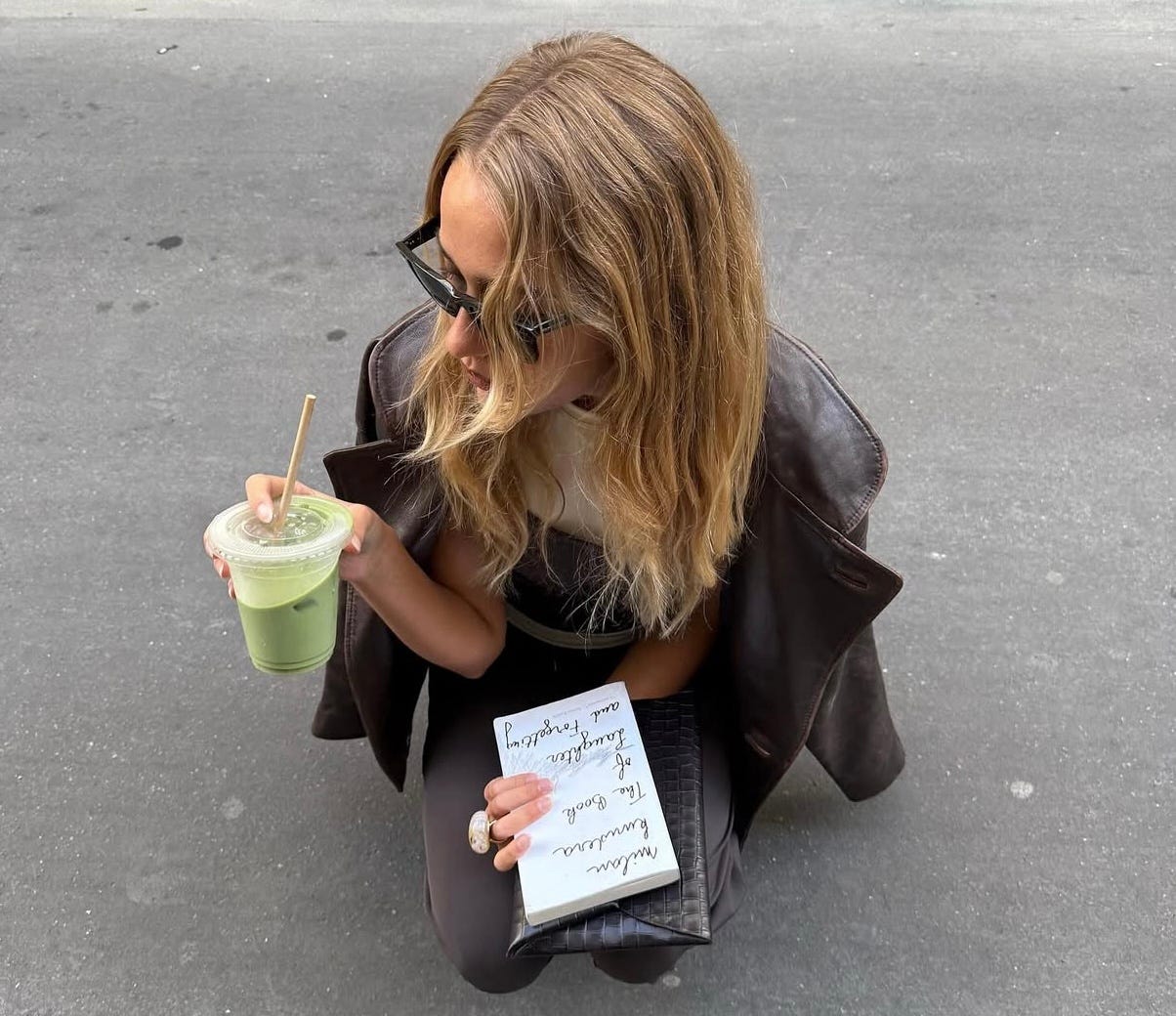
This TED Talk is such a sweet and important reminder — and it’s only ten minutes long. The kind of thing I love to listen to first thing in the morning, instead of parading through notifications and catching up on stories.
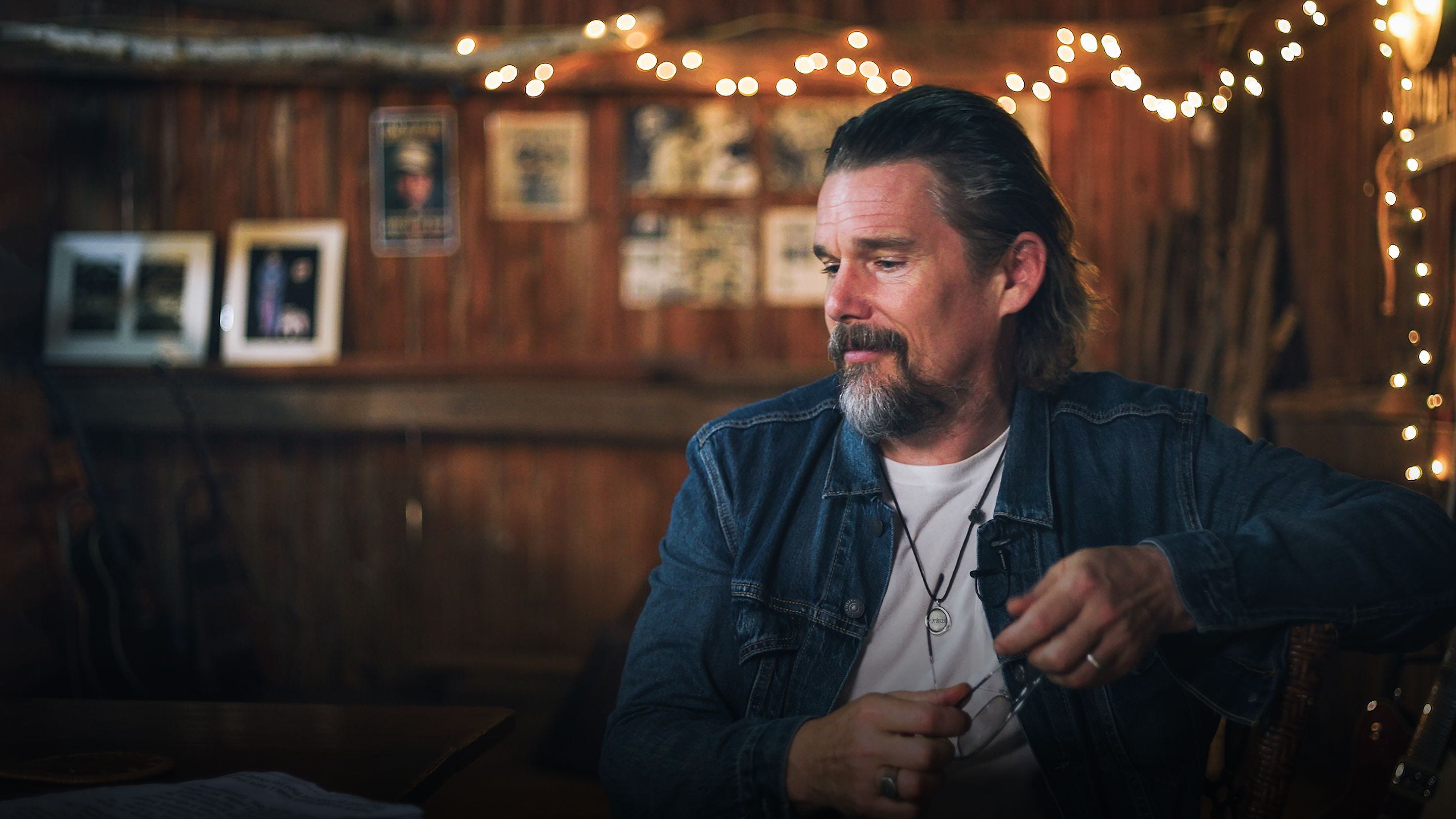
I’ve made a habit of revisiting this talk every now and then, especially when I’m in a creative rut or feeling unmotivated. Hawke insists on the importance of finding what makes your heart sing in order to tap into your creativity, reminding us that creativity stems from love — not the other way around. Loving something is fuel; you cannot force creativity in spaces you’re not passionate about.
When I was young, I remember thinking that creativity boxed you off from intellect (absurd, I know). Qualities felt like categories, and I couldn’t see how I could be both academically inclined and drawn to artistic pursuits. As a tween, “creative” felt like a filler category, the kind of label given out to those who weren’t sporty or didn’t fit neatly into school metrics. I took the compliment with a hint of insult. In my mind, creativity was reserved for artists in the traditional sense: people who had a steady hand, could draw or paint, sing or strum, or write creatively (distinct from academic writing) — all qualities I did not possess. And if you weren’t a “true” artist in that sense, the label fell flat. I never believed creativity was something I could possess, as someone who couldn’t draw to save their life and quit piano once the going got tough. (Shoutout to my school iPad for stripping me of any desire to do anything.)
As I said, I never thought of myself as creative. I liked math, wanted to be an engineer, and studied science for years. However, something lit up in me as I finished my senior year of high school: I developed a deep passion for video — I started filming pretty things I noticed in my quotidian and placing songs I loved overtop video compilations. Somewhere between study sessions, I started editing for fun. As a creative outlet. Little did I know this was my way of tapping into creativity and expressing myself while studying something that, while enjoyable (somewhat), didn’t fulfill me.
Luckily, maturing came with the realization that creativity isn’t just about technical artistic skill. Knowing how to draw or sing in tune isn’t a prerequisite for being creative. And, there is a lot more to life than being good at school (shocking, I know). Going to university taught me there are so many — no, infinite — ways of being creative (and being a creative). There is no single mould. The moment you create something (anything), you are exercising creativity.
Creativity isn’t exclusive to the artsy crowd; it’s available to everyone. We are all capable of creating, and therefore of being creative.
Find what you love and tap into it.
Just like some of my STEM friends feel creative in lab settings — experimenting, testing, and researching — I feel creative whenever I write, make YouTube videos, or relearn to play the piano.
Creativity is limitless. It isn’t one thing. Seeing it as an active concept, one that sends you on a journey toward what excites you, on paths that are yours to define, is key. Creativity as a labour of love, as Hawke puts it.
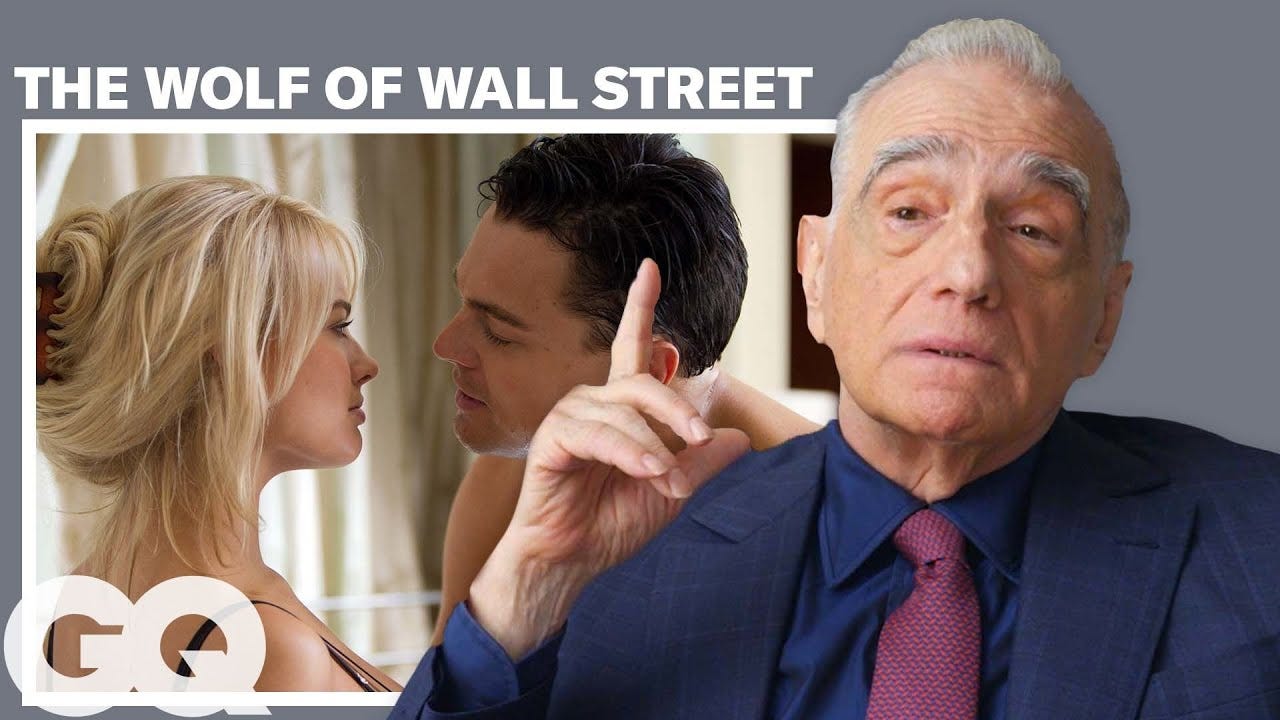
I (like most people) am a massive Scorsese fan, and have many of his films to thank for sparking my interest in cinema as a teenager.
GQ’s “Breaks Down” series (unofficial title lol) invites actors and directors to break down (there it is) their roles and films, offering a BTS look at some of the greatest movies and television of our time.
Listening to Scorsese dissect specific scenes from Taxi Driver and The Wolf of Wall Street, explaining his thought process behind choosing to pan versus slide and sharing how conversations with actors inspired camera movement and prop choices, was fascinating. It encouraged a rewatch of some of my faves (The Big Short and Killers of the Flower Moon are personal standouts). He is so brilliant.
The Book of Laughter and Forgetting by Milan Kundera
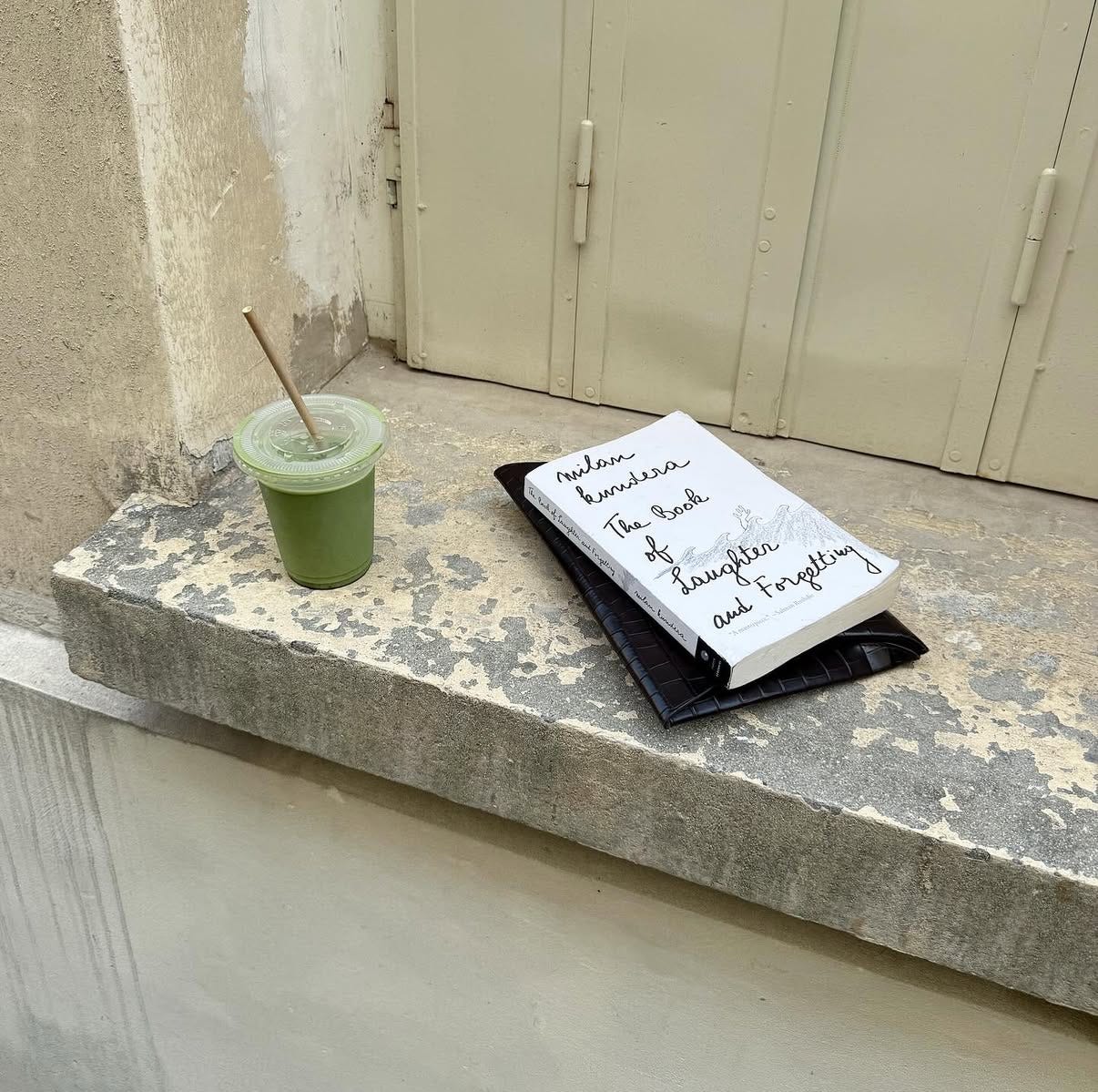
Milan Kundera is one of those authors whose writing tickles my brain in a very special way. Discovering his work this past summer has been a genuine gift. He speaks (his) truths bluntly yet subtly and is a master of the sentence. He can, in just a few perfectly placed words, expose the raw realities of what it means to be human.
Defining concepts like beauty, truth, love, memory, and pleasure — often in startling sentences, only a few words short — is his specialty. He extracts meaning from his characters’ (seemingly) singular experiences to reflect universal truths. And then disagrees with them. He complicates, contradicts, and questions everything. Each sentence thus carries a tinge of uncertainty, while the novel itself — made up of short stories — becomes a meditation on humanity. The idea of a truly singular experience dissolves, and we are all united under the same paravent of human emotion. We are all the same, his writing seems to suggest. This statement alone is bound to prompt discussion, something you must be prepared for when reading Kundera. Therein lies the pleasure of diving into his world.
There is, of course, space for criticism in a novel like this. Kundera’s male protagonists often entertain disturbing fantasies and express crude, misogynistic contemplations. His skill lies in his ability to force the reader to face the pain, violence, and imbalance that underlie many hetero dynamics. It’s jarring at times.
A novel about laughter and forgetting (super ambiguous title, as always), Kundera’s book is built on the theme of memory. What does it mean to forget a past lover? Is remembering the only way forward? These questions brought to mind Wave by Sonali Deraniyagala, in which Deraniyagala commits to remembering the devastating loss of her entire family in the 2004 Boxing Day tidal wave as a means of grieving and, ultimately, surviving. For Deraniyagala, to forget is to run the risk of reliving the loss of her loved ones, and having to experience the grief all over again. Forgetting, it seems, is rarely the path to peace. Kundera would agree with this statement, I think.
And yet, on a political level, the novel depicts a Czechoslovakia forced to forget — or rather, to deliberately misremember — its history under the Communist regime, in an effort to “move forward” and toward a new kind of future. The dangers of this approach are painfully evident if you take one glance at any history book written ever.
Laughter, too, is treated ambivalently. When is it appropriate to laugh? Is laughter inherently good? Humour dons many hats — it is both a political tool (irony, resistance) and a moral barometer (revealing belief systems and allegiances).
A great book if you’re in an introspective mood. My fave of Kundera’s.
Fat Pasha in Toronto
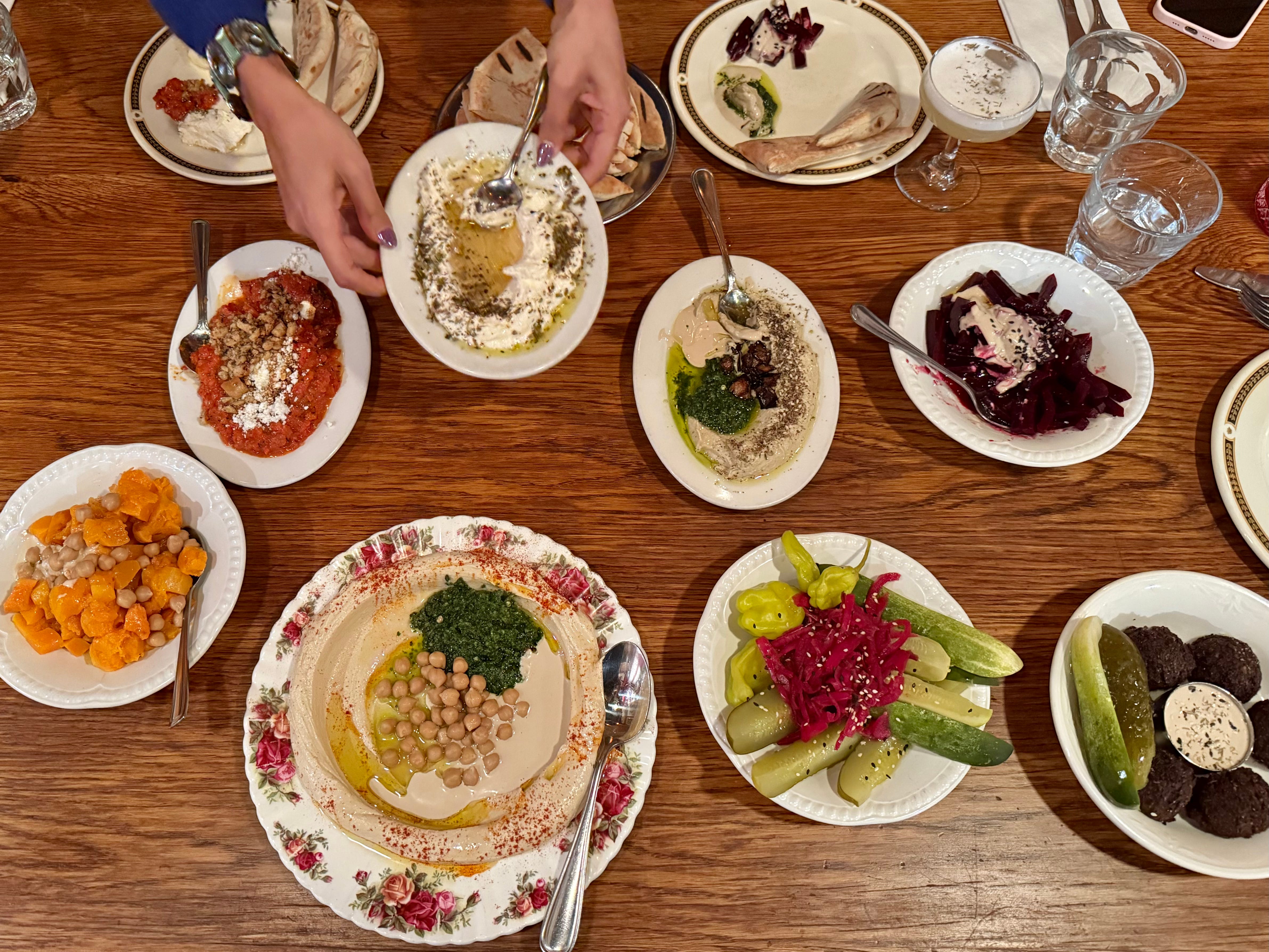
Thought I’d include a meal I had because why not. By far my favourite restaurant outing this winter.
Get the Veggie Feast (C$199 🤯) if it’s the last thing you do. It’s meant to feed four (ish), but we all left extremely full, with plenty of leftovers.
We started with cocktails: the girls ordered za’atar sours, while I unhesitatingly went for the pomegroni (negronis >). The drinks perfectly blended Middle Eastern flavours with classic recipes. Gin-infused pomegranate seeds are my new thing.
Then came a plethora of dips and appetizers: honey-coated whipped feta, red pepper muhammara, garlicky labneh, warm crispy falafel, sweet oven-roasted squash, assorted pickled veggies, and, of course, a massive plate of hummus bathed in tahini and olive oil, chickpeas and salt. My mouth is watering as I type.
We were already quite full by the time the mains arrived, but that didn’t stop us. The fattouche was creamy and generously doused in feta and all sorts of veg; the roasted cauliflower hid melted halloumi at its center; the roasted potatoes were crisp; and (my personal favourite) the baked butternut squash — sweet, spicy, and perfectly tender — was enjoyed with leftover dips.
Dessert was sadly out of the question — to say we were full is an understatement. But I will be back for the pistachio cheesecake, baklava, and the M&M cookie that taunted us on the way out.
Lovely service, a dim but lively atmosphere, and a menu that delivered. I’ve found my new fave restaurant in Toronto.
Sentimental Value by Joachim Trier
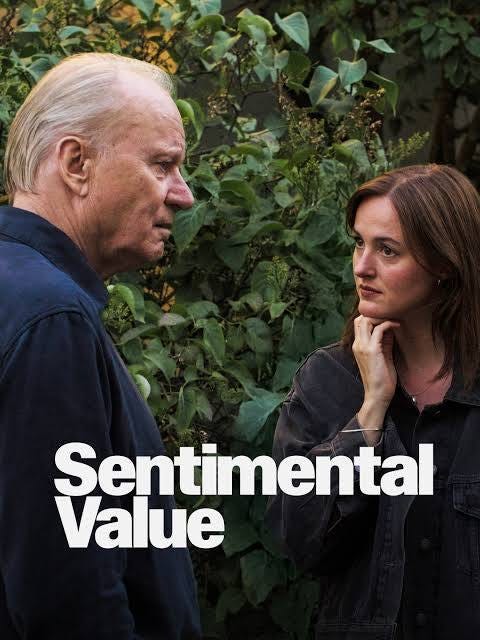
I finally watched this Norwegian masterpiece after being urged repeatedly by many, many friends. I now understand the insistence. And I respect it.
The film follows sisters Nora and Agnes as they reunite with their father, Gustav, after their mother passes away. Nora is a theatre actor plagued by deep anxiety that manifests in various self-destructive ways throughout the film. Agnes is a stay-at-home mom whose son plays a meaningful role in helping the viewer better understand who Nora is and what she needs. Gustav is a big-shot film director and an absent father whose return disrupts things, especially when he asks Nora to star in his new film, only to give the role to a Hollywood star after she declines.
At its core, this is a film about relationships (what film isn’t), and the wounds that grow, spread, and reopen when a parent abandons their children, showing interest in their lives only when it serves them. It’s also a film about sisterhood, about how siblings show up for one another in ways no parent ever can.
It pulled at my heartstrings — not just because I have a sensitive heart, but because it felt so raw and recognizable. The disappointment, the unspoken hurt, the feelings that are so hard to name but resound in a simple look, the conflict, but also the deep, unconditional love… as I said, a true masterpiece.
Most of the film is in Norwegian, so be prepared to read subtitles and choose your seat wisely.
I really appreciate your thoughts! Sometimes I feel creative but whenever I try to pursue that I always end up disappointed because of how unaesthetic or inadequate the result is… Do you think creativity is connected to aesthetics? Or does that just mean i haven’t found my creative space?
I love your thoughts on creativity. I’ve always been a science girlie, hence I usually don’t count myself as a creative person. Thank you for giving me a new perspective!